REVIEW · RIGA
Group Tour: Sigulda and Turaida from Riga.
Book on Viator →Operated by Latvia Guide Tours · Bookable on Viator
Castles and caves in Latvia, in one easy loop. This Sigulda and Turaida tour pulls you into Gauna National Park’s dramatic cliffs and river views, with stops built around medieval Latvia and local legend. You’ll visit the Livonian Order Castle area, then head into Turaida Castle and the Gutmanis Cave story world.
What I like most is how much you get without wasting time. You’re not just staring at old stones; you’re learning why they mattered, with guided context at each key stop. I also love that the day includes museum entrances so you can spend your energy on the sights instead of tickets and lines.
One thing to consider: food and drinks aren’t included, and the day is long enough that you’ll want to plan snacks or a lunch stop. Wear comfy shoes, because you’ll be walking around viewpoints, castle grounds, and uneven outdoor surfaces.
In This Review
- Key highlights to look for
- Why Sigulda and Turaida makes a great day trip from Riga
- Getting to Herdera laukums and settling into a 6–7 hour schedule
- Keizarkresls un keizarskats: viewpoint power and Tsar Alexander II context
- Sigulda Bobsleigh and Luge Track: a modern thrill stop in an old setting
- Livonian Order Castle in Sigulda: climbing towers and catching the medieval atmosphere
- Sigulda New Castle: neo-Gothic exterior and national-romantic interior
- Gutmanis Cave: 19 m of limestone drama and the Rose of Turaida legend
- Turaida Castle: where the medieval story keeps getting rebuilt
- Food and drinks: plan your own lunch and snacks
- The $139 value: what’s covered and why that matters
- Who this tour is best for
- Should you book Sigulda and Turaida from Riga?
- FAQ
- FAQ
- How long is the Sigulda and Turaida tour?
- Where does the tour start in Riga?
- What’s included in the price?
- How many people are in the group?
- Is there a ticket app involved?
- Do we get to visit Turaida Castle and Gutmanis Cave?
- What kind of sites are included besides castles?
Key highlights to look for
- Keizarkresls un keizarskats viewpoint with a big Gauja River and Turaida Castle view
- Livonian Order Castle towers you can climb and an on-site events vibe
- Sigulda New Castle neo-Gothic exterior with craft-style workshops and artist salons
- Gutmanis Cave (19 m deep) tied to the Rose of Turaida legend
- Turaida Castle starting in 1214, with restoration work and museum exhibits included
Why Sigulda and Turaida makes a great day trip from Riga
If you only have one day to see more than Riga city blocks, this route makes a strong case. Sigulda and Turaida sit right in the Gauna National Park area, where the setting does a lot of the work for you: cliffs, the Gauja River, and castle buildings that feel like they belong to the storybooks.
This tour is also structured to keep momentum. You get several distinct time periods in one sweep: medieval military architecture, later romantic-era buildings, and cave legend that’s been part of local storytelling for centuries. That mix is exactly what I look for in a day trip. You leave with both pictures and context.
And there’s a practical win. Museum entrances are included, and the group is kept to a maximum of 17 travelers. That size is small enough for a personal feel, but large enough that the logistics stay easy with private transportation.
You can also read our reviews of more tours and experiences in Riga.

Getting to Herdera laukums and settling into a 6–7 hour schedule
The meeting point is Herdera laukums 6 in central Riga, and the tour starts at 9:00 am. The day runs about 6 to 7 hours, with short timed stops built around key photo moments and real visit time in the castles and cave.
Private transportation matters here. Gauna National Park sites aren’t all clustered right next to each other, so having a vehicle that moves you between stops cuts down on dead time. You’re not stuck charting bus routes while everyone else is enjoying the views.
The tour uses a mobile ticket, and you’ll find yourself with all fees and taxes covered for the listed entrances. That means you’ll mainly spend your attention on what you’re seeing, not on money logistics. If you’re traveling with a tight plan, that’s a comfort.
Keizarkresls un keizarskats: viewpoint power and Tsar Alexander II context
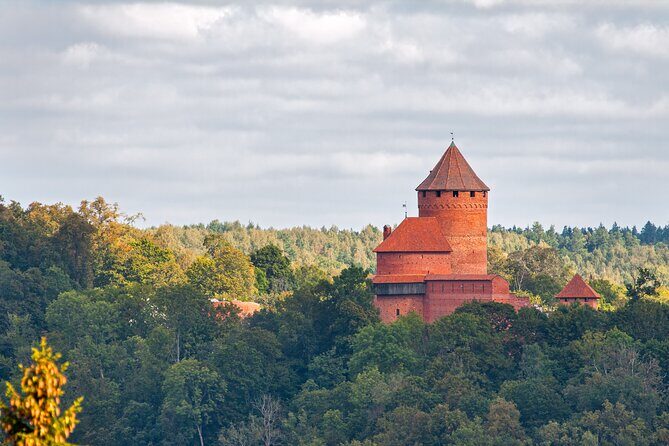
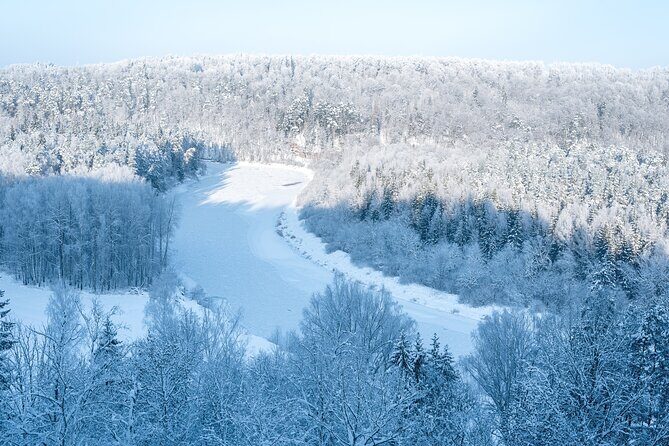
Your first stop is Keizarkresls un keizarskats, a pair of viewpoints over the Gauja River valley. This spot was arranged in the high Beite cliffs to honor Tsar Alexander II’s visit to Sigulda in the second half of the 19th century.
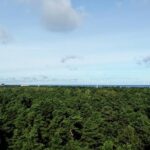
What you’ll likely enjoy most is the clarity of the view. From here, you can get a strong sense of how Turaida Castle visually dominates the area, which makes later castle stops click into place. It’s one of those “now I get it” moments where the terrain explains the history.
The time here is about 25 minutes, and admission is free. That makes it a low-cost, high-impact start. It’s also a good checkpoint for photos before the day turns into tickets, stairs, and legend.
Sigulda Bobsleigh and Luge Track: a modern thrill stop in an old setting
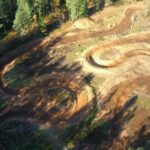
Between the viewpoint and the castles, you’ll also stop at the Sigulda Bobsleigh and Luge Track. It’s one of 18 worldwide and hosts annual international competitions, but you don’t need to be an athlete to appreciate it.
Here are the details that make this stop fun even if you’re just looking:
- track length: 1420 meters
- 16 curves
- 200-meter braking distance
- speeds up to 125 km/h
For me, this is the nice contrast stop. Medieval forts are cool, but it’s also satisfying to see how Sigulda is still tied to international sports and training. It gives the day a modern pulse without breaking the theme.
Practical note: this is still outdoors. So if the weather in Riga is unpredictable, keep a light layer handy.
Livonian Order Castle in Sigulda: climbing towers and catching the medieval atmosphere
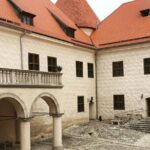
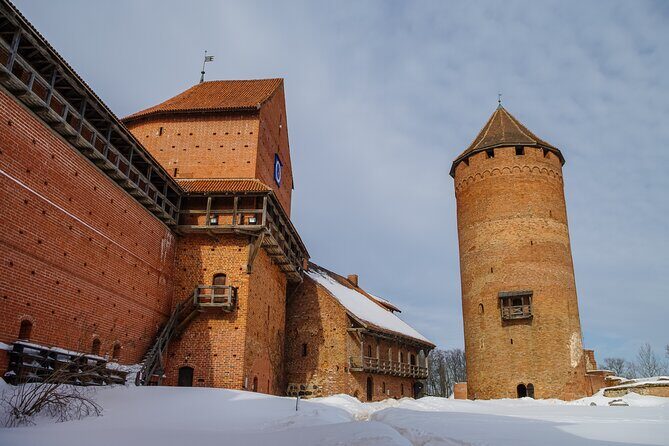
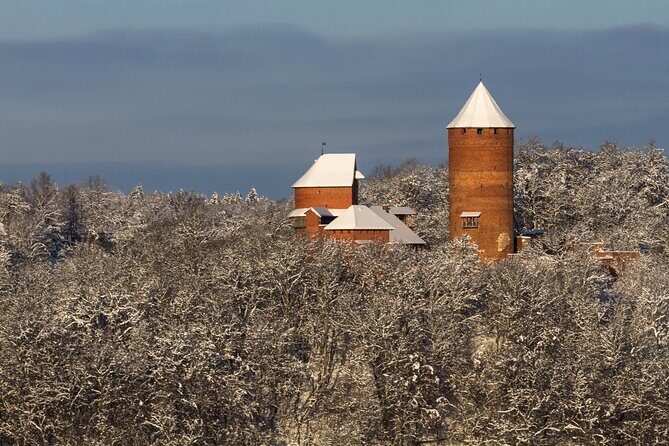
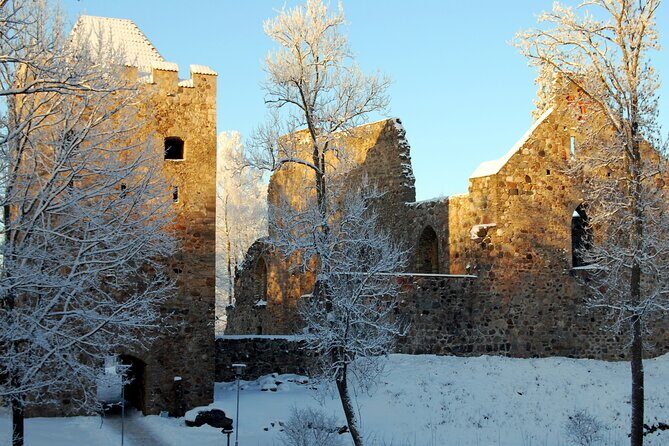
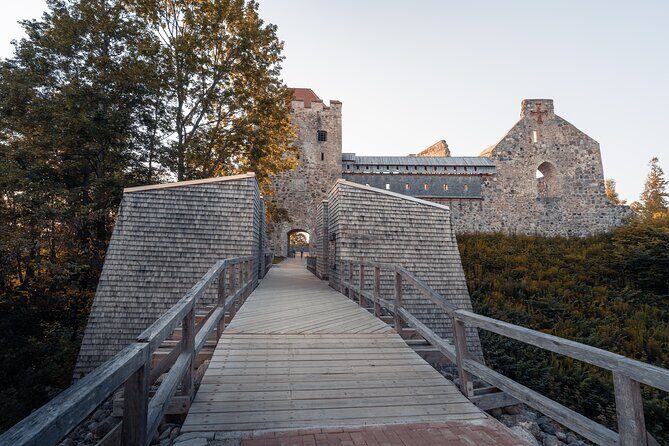
Next up is the Castle of the Livonian Order in Sigulda. The original castle was built in 1207 as a Castella-type fortress, later rebuilt into a convent-type building. That shift is the kind of historical detail that can be easy to miss if you’re just wandering.
This stop is about an hour, and admission is included. The standout is that you can climb the northern and main gate towers. Climbing gives you a better read on the defensive layout and gives you a different angle for photos than you’d get from ground level.
There’s also an events side to the place. In the castle’s center, there’s an open-air stage that hosts concerts and festivals, including the International Sigulda Opera Music Festival. Even if you’re not there during an event, it helps you understand the site as more than ruins. It’s still a functioning cultural space.
If you like history that feels physical—walls, towers, and the shape of defense—this is one of the stronger stops.


Sigulda New Castle: neo-Gothic exterior and national-romantic interior
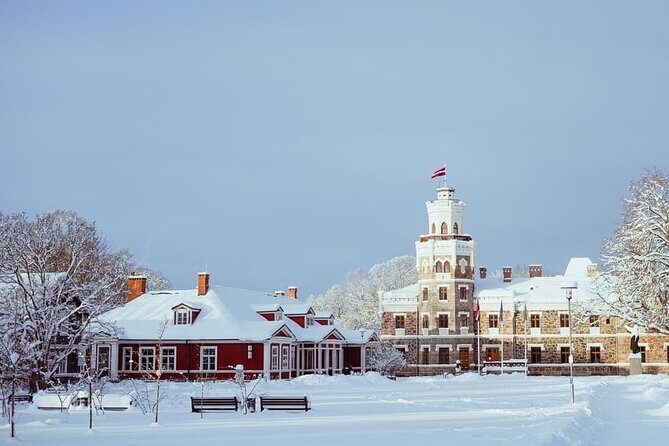
After the Livonian Order site, you’ll visit Sigulda New Castle, built by the Knyaz Kropotkin family in 1878. The exterior keeps a neo-Gothic style, while the interior is tied to national romanticism dating to 1937, when it housed the Latvian Union of Writers and Journalists.
This stop is shorter, around 20 minutes, and admission is free. So think of it as a quick palate cleanser: different era, different mood, and a chance to spot how Latvia’s later cultural identity shaped the way historic buildings were used.
You’ll also find the castle today has a craft and salon vibe. The central buildings host workshops and salons for craftsmen and artists, where you can sometimes learn skills and pick up souvenirs. I like this because it adds a living-by-hand side to the day. You’re not only looking backward.
Gutmanis Cave: 19 m of limestone drama and the Rose of Turaida legend
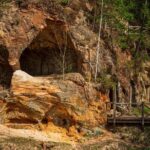
Now for the stop that gives the tour its supernatural edge: Gutmanis Cave. It’s described as the largest cave in the Baltic countries and also the oldest tourist attraction in Latvia. You’ll also see inscriptions on the cave walls dating back to the 17th century.
The size is hard to ignore: the cave is about 19 meters deep, 12 meters wide, and 10 meters high. That’s not just a “look, a cave” moment. It’s a real chamber you can feel once you’re inside.
The best part, though, is the legend tie-in. This cave is connected to the legend of the Rose of Turaida. When you hear those stories in a place like this, the cave stops being just geology and becomes part of cultural memory. And that matters because you remember stories with places. Places give stories weight.
Admission here is free, and the stop is around 30 minutes. It’s long enough to take it in, but not so long that you get rushed. If you’re even slightly interested in folklore, this is a highlight.
Turaida Castle: where the medieval story keeps getting rebuilt
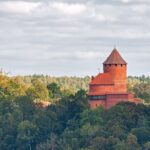
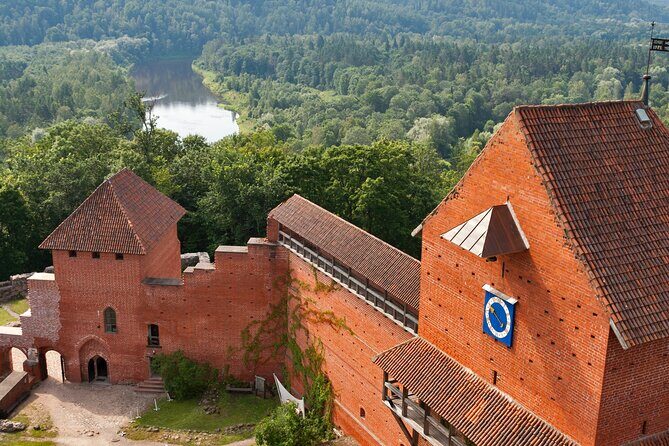
The final major stop is Turaida Castle, with construction beginning in 1214 under Archbishop Albert of Riga. The site was originally linked to a wooden fortress connected with Kaupo, a Liv leader, and the castle was first called Fredeland before later becoming Turaida.
What I find valuable here is that the castle history is explained as change over time. Defensive upgrades happened as needs evolved, with towers and household buildings added later. Then, after a fire in 1776, it fell into ruin.
Since 1976, archaeological excavations and restoration have partially revived the site. On site, you’ll also find exhibitions about the castle’s history and the Gauja Livs. That combination—ruins plus interpretation—helps you connect facts to the physical space.
This stop runs about an hour and has admission included. You’ll also have scenic views from the main tower overlooking the Gauja Valley and the museum reserve area. If you timed the day right with photos earlier from Keizarkresls un keizarskats, this tower view will feel like the payoff.
For castle lovers, this is the emotional center of the day. It’s the place that ties the viewpoint, the cave legend, and the broader Gauna area together.
Food and drinks: plan your own lunch and snacks
Food and drinks aren’t included on this tour. That’s not a deal-breaker, but it does mean you should plan to buy something along the way.
Because the day can stretch to 6 to 7 hours, I’d treat this like a light-eating day: bring a snack for the road if you’re the type who gets grumpy when you’re hungry. Or plan to stop for a meal somewhere between the larger stops.
The good news is you’ll have dining options in the area, and the day includes both traditional Latvian and modern cuisine options for you to choose from. The tour itself won’t schedule a included lunch, so you’ll want to use your own judgment based on how fast your group keeps moving.
The $139 value: what’s covered and why that matters
At $139, this tour is in the mid-range for a Riga-area day trip with multiple major sites. The value comes from what’s included, not from the sightseeing label.
You get:
- private transportation
- all fees and taxes
- museum entrances for the paid stops
That matters because castles and cave attractions can add up quickly once you start paying per ticket. Here, the entrance costs are baked into your price. So the financial surprise factor is lower, which is helpful when you’re traveling on a set budget.
Group discounts and the use of a mobile ticket also support easy handling on the ground. And with a maximum group size of 17, you’re not packed in shoulder-to-shoulder style.
If you’re someone who hates wasting time on last-minute logistics—figuring out where to buy tickets, how to get there, and what’s open—this package format helps.
If you’re only interested in one castle and could skip everything else, you might feel the price more. But if you want several stops that each teach you something, this is a fair deal.
Who this tour is best for
This fits well if you want a single guided day that blends nature setting with medieval sites and folklore. I’d particularly recommend it for:
- first-time visitors to Latvia who want more than Riga
- people who like castles but also want context and stories
- travelers who enjoy short, focused stops that don’t drag
It may be less ideal if you dislike walking on uneven outdoor paths or if you need long indoor museum time to stay comfortable. The tour moves, with timed stops ranging from about 20 to 60 minutes at the major points.
Also, since food isn’t included, you’ll want to be the kind of traveler who can handle making your own lunch plan.
Should you book Sigulda and Turaida from Riga?
I think you should book this tour if you want a day that feels organized but still varied. The mix of Keizarkresls un keizarskats views, medieval Livonian Order structures, a modern sports stop at the bobsleigh and luge track, and the legend-heavy Gutmanis Cave creates a memorable flow.
The biggest “yes” is the combination of included entrances and a route that covers multiple key sights without you having to manage every detail. If you’re excited by castles that have stories attached, and you like stepping into Latvia’s legends as well as its architecture, this is a strong choice.
FAQ
FAQ
How long is the Sigulda and Turaida tour?
It runs about 6 to 7 hours.
Where does the tour start in Riga?
The meeting point is Herdera laukums 6, Centra rajons, Rīga, LV-1050, Latvia.
What’s included in the price?
Private transportation, all fees and taxes, and museum entrances are included. Food and drinks are not included.
How many people are in the group?
The tour has a maximum of 17 travelers.
Is there a ticket app involved?
Yes. The tour uses a mobile ticket.
Do we get to visit Turaida Castle and Gutmanis Cave?
Yes. Turaida Castle is included, and Gutmanis Cave is also a stop on the tour.
What kind of sites are included besides castles?
You’ll also visit the Gutmanis Cave (with inscriptions and legend connections) and the Sigulda Bobsleigh and Luge Track stop.