REVIEW · RIGA
From Riga: Sigulda & Turaida Legends Group Tour
Book on Viator →Operated by Latvia Guide Tours · Bookable on Viator
Castles, caves, and speed sleds in one day. This small-group tour from Riga puts you in the Gauja River Valley with a real guide who connects medieval Sigulda and Turaida legends in plain, human stories, like how Maria explained the Crusader era on our best-sounding days. The ride is comfortable too, with an air-conditioned vehicle and Wi-Fi onboard.
What I love most is the mix that doesn’t feel random: castle views from the Livonian Order fortress, then a stop at Gutmanis Cave with the Rose of Turaida legend, and ending at the modern bobsleigh and luge track. One drawback to plan for: it is mostly walking and stairs, and food isn’t included, so you’ll want to budget time for lunch on your own (or ask your guide for a good nearby option).
In This Review
- Key points before you go
- Riga to Sigulda: quick, comfy, and actually efficient
- Castle of the Livonian Order: climbing for the best Gauja views
- Gutmanis Cave and the Rose of Turaida legend
- Turaida Museum Reserve: the Stone Castle, courtyards, and a church from 1750
- Sigulda bobsleigh and luge track: modern sports next to old-world castles
- Pacing and guiding: why people rave about Erlens, Maria, and Viktorija
- Price and value: is $144.18 fair for a half-day?
- Who should book this Sigulda and Turaida day trip?
- Should you book it?
- FAQ
- How long is the Riga to Sigulda & Turaida tour?
- What is the start time and where do we meet?
- What’s included in the price?
- Is food included?
- Is Wi-Fi available during the trip?
- What are the main stops?
- How large is the group?
- Can most people participate?
- Are service animals allowed?
- What is the cancellation policy?
Key points before you go
- Small group, max 19: easier questions, better pacing, less waiting around than big bus tours.
- AC transport with Wi-Fi + bottled water: you start refreshed and stay that way.
- Two sides of the Gauja story: medieval fortifications, legend-filled cave walls, and then Soviet-era winter sport.
- Admissions are included: castle and museum reserve entry make the half-day feel more complete.
- Guides adapt to conditions: when weather messes with viewpoints, the plan can shift (fog happened on one tour I learned about, and the bobsleigh stop saved the day).
- Coffee and detours are allowed: if you want a quick stop before Sigulda, ask your driver.
Riga to Sigulda: quick, comfy, and actually efficient
This tour starts at Herdera laukums 6 in central Riga at 9:00 am and returns you there at the end. The drive into the Gauja area is the kind of day-trip momentum that works well when you only have a short window in Latvia.
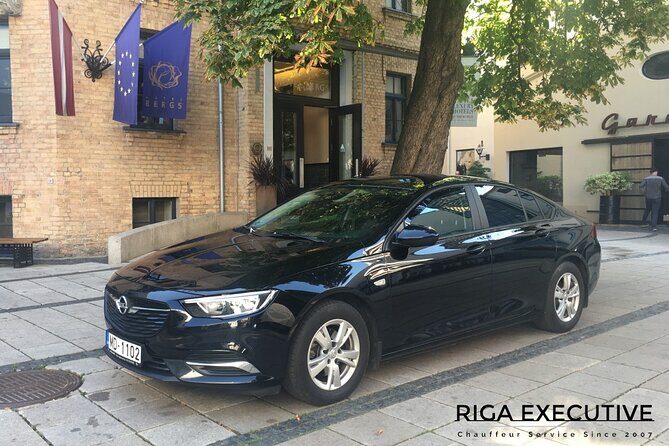
The vehicle is air-conditioned and comes with Wi-Fi onboard, plus bottled water. That sounds like small stuff, but it matters when you’re switching from city streets to caves and castle steps—having a calm start makes everything else easier.
Because it’s a small group (up to 19), you don’t feel like you’re trapped in a schedule made for the slowest person. Your guide can also arrange coffee stops and detours with the driver, which is helpful if you want a smoother rhythm than just straight from one ticket line to the next.
You can also read our reviews of more tours and experiences in Riga.

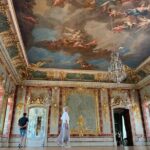
Castle of the Livonian Order: climbing for the best Gauja views
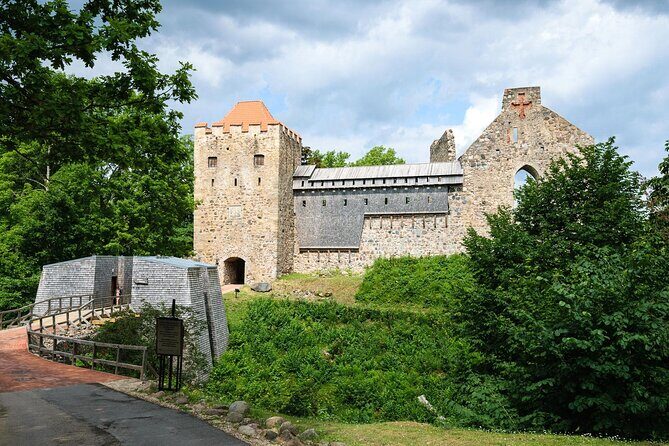
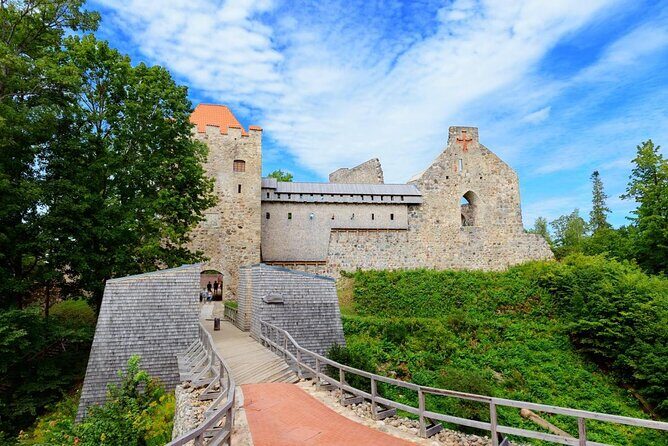
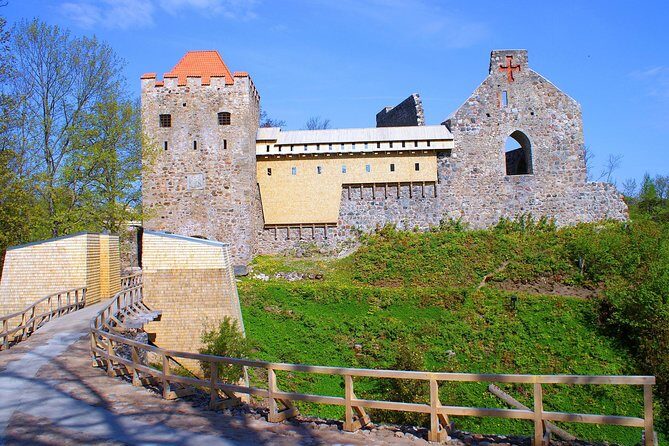
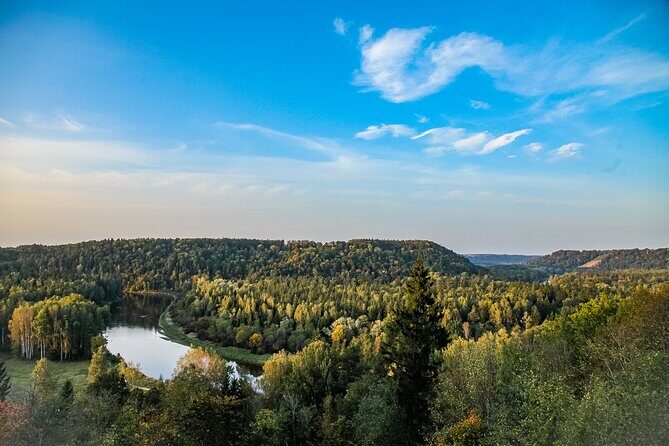
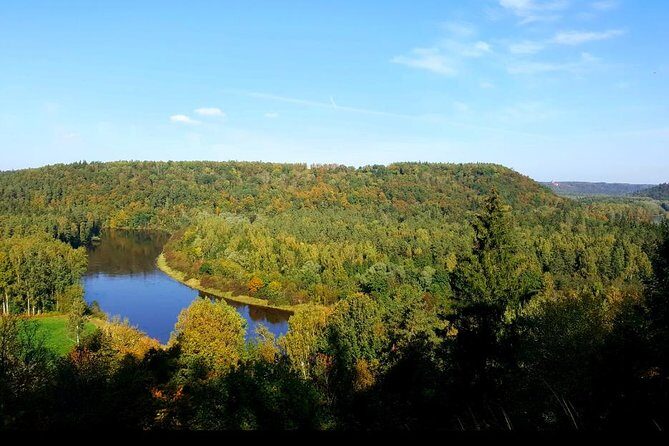
Your first real step into the past is the Castle of the Livonian Order in Sigulda. This 13th-century fortress was built by the Livonian Brothers of the Sword, and it sits above the Gauja River Valley with panoramic views that are hard to fake with photos alone.
During your roughly 50-minute visit, your guide helps you make sense of what you’re seeing: restored towers, exhibition spaces, and the way the castle fits the military and religious role the order played in the region. You can also walk areas on the grounds and climb up to fortress walls for that classic high vantage point.
What to watch for: the castle is part museum, part viewpoint. If you rush, you’ll miss how the guide connects medieval warfare and everyday life through the exhibits—like weaponry and archaeological findings that bring it out of the abstract.
Practical tip: wear walking shoes. Even with guided pacing, castle surfaces and steps add up in a single morning.
Gutmanis Cave and the Rose of Turaida legend
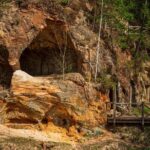
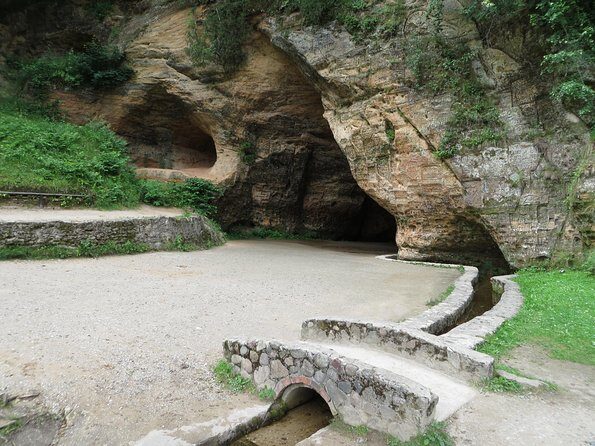
Then you switch gears from man-made stone defenses to nature’s handiwork. At Gutmanis Cave, you’re stepping into the oldest and largest cave in the Baltic region, carved into sandstone by thousands of years of water erosion.
Your time here is about 25 minutes, and it works best if you slow down just a little. You’ll walk inside the cave, feel the cool air from the spring, and take in the atmosphere. This isn’t just geology; it’s also legend. Your guide shares the story of the Rose of Turaida, a tragic love tale tied to the cave and the wider Turaida area.
One of the most memorable details is the inscriptions on the cave walls, some dating back to the 1600s. It’s one thing to hear a legend. It’s another to stand where people left their words centuries ago, while water and time keep doing their job.
Drawback to consider: caves are cool and damp-feeling. You’ll likely be happier with a light layer you can handle even on a warm day outside.
Turaida Museum Reserve: the Stone Castle, courtyards, and a church from 1750
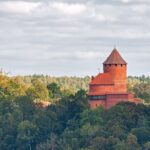
Next comes the heart of the Gauja Valley’s story: Turaida Museum Reserve. This is an open-air cultural and historical complex spanning over 1,000 years, set on a hill with big views over the valley.
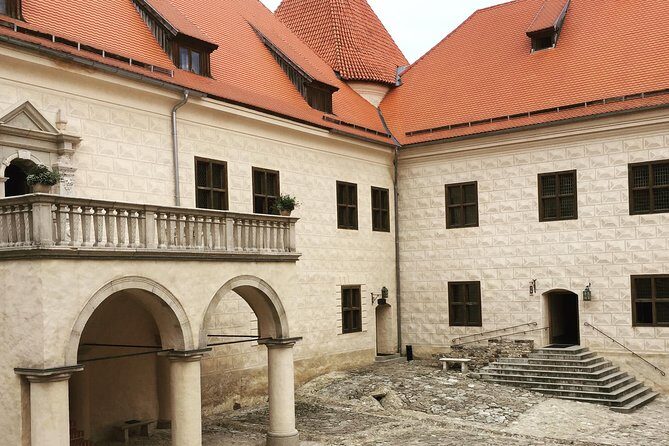
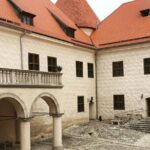
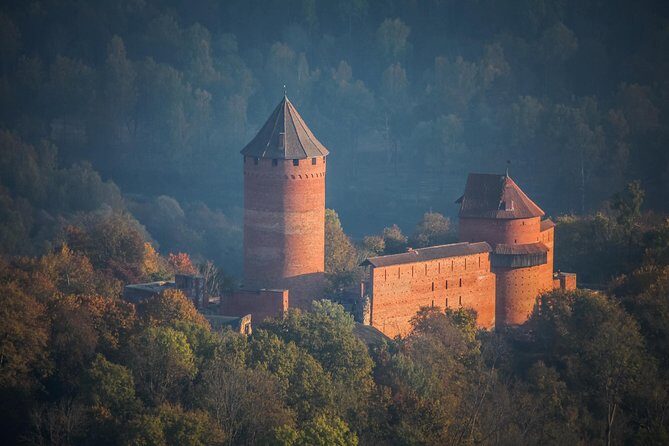
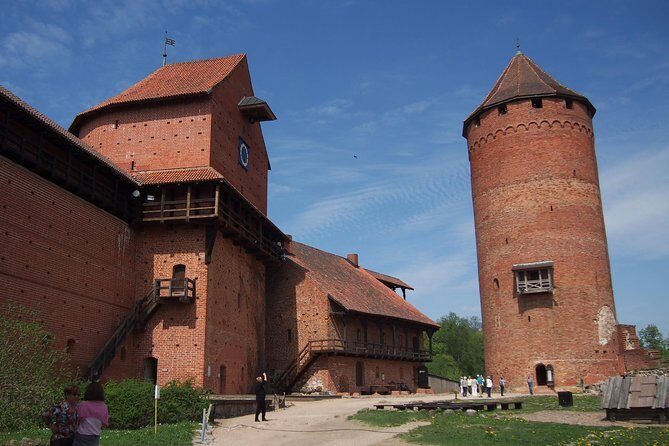
You’ll visit the red-brick Turaida Stone Castle, built in 1214, and you’ll have about one hour here. Your guide brings the place to life by walking you through towers and medieval courtyards while pointing out archaeological areas tied to earlier life in the region—knights, bishops, and the kinds of power that shaped everyday reality.
There’s also a shift from stone to wood. Part of the reserve includes a wooden church from 1750, which adds a different texture to the visit. It’s a nice reminder that the story doesn’t end with crusaders and castles—it keeps changing as Latvia’s community life evolves.
What makes this stop worth the time is the combination: history you can see, mythology you can understand, and views you can earn by climbing. If you like places where the setting matters (and this one absolutely does), you’ll feel it here.
Potential downside: it’s a hill experience. Plan for stairs and uneven ground. If you’re someone who hates “one more set of steps,” pace yourself with your guide’s help.
Sigulda bobsleigh and luge track: modern sports next to old-world castles
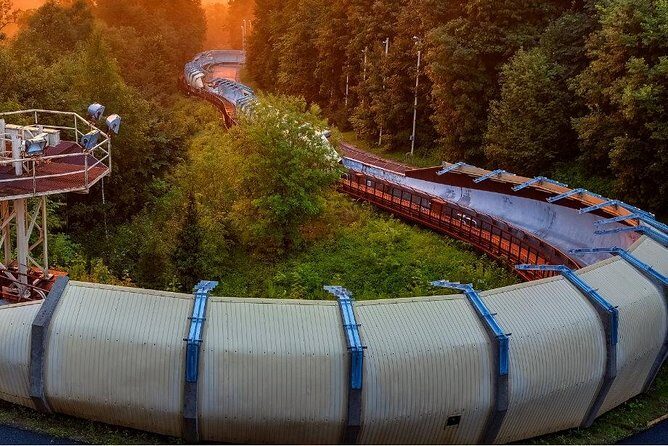
After all that medieval atmosphere, you get a fun reality check at the Sigulda Bobsleigh and Luge Track. This is one of the few operational tracks in Europe, built during the Soviet era and still used for international training and competitions.
Your stop is about 20 minutes, so it’s not meant to be a long sports museum. The value is what you get in a short time: scale, design, and context. Your guide explains the history of the facility and connects it to Latvia’s success in bobsleigh and luge.
Depending on the schedule, you might even catch training sessions, which adds energy to what could otherwise be just a quick photo stop. Either way, it’s a striking contrast against the fortress walls from earlier in the day—proof that the Gauja area isn’t only a history park.
Practical expectation: this tour doesn’t position you as riding the sled track. You’re mainly there to see the facility up close and hear the story behind it.

Pacing and guiding: why people rave about Erlens, Maria, and Viktorija
The reviews are consistent on one point: the guides are the secret sauce. Names that come up include Maria, Edīte, Erlens, Viktorija, and even Claude. The common thread is how they handle pacing and explanation without turning your day into a lecture.
One thing I like about a tour like this is flexibility. When conditions change—fog blocking certain viewpoints, for example—your guide can adjust the plan so you still end up seeing the highlights. That sort of small course correction makes a day trip feel calmer, not chaotic.
A good guide also does the little things right: keeping the group moving at an appropriate speed, making sure you actually get time to walk through the spaces, and suggesting practical choices for food. In one case, lunch was arranged at a cat-themed spot in Sigulda. Even if your guide picks something different, the key point is that you’re not stuck doing guesswork.
Group size helps here. With up to 19 people, your guide can actually notice who needs a slower moment or who wants an extra photo stop.
Price and value: is $144.18 fair for a half-day?
At $144.18 per person for about 6 hours, this tour can feel expensive until you look at what’s included.
You get:
- round-trip transport in an air-conditioned vehicle
- Wi-Fi onboard and bottled water
- an English-speaking guide
- museum and attraction entrances at the stops
Food and drinks are not included, so you should plan for lunch on your own. But because admissions are already covered, you’re not juggling tickets while trying to enjoy the day.
Is it the cheapest option? Usually not. But for a day trip where you’re hitting multiple paid sites outside Riga, the included entrances and transport often make it feel more like a packaged experience than a bunch of separate costs.
If you’re traveling in a group or you hate the hassle of arranging your own driver, this is the kind of price that buys stress-free convenience.
Who should book this Sigulda and Turaida day trip?
You’ll probably love this if you:
- want a real day trip from Riga without spending your vacation figuring out routes
- enjoy castle viewpoints, caves with stories, and an open-air museum setting
- like the idea of seeing winter sports culture right next to medieval architecture
- prefer small-group guiding over big-bus crowds
It’s also a solid choice in winter. One tour I learned about included snow, and it turned the scenery into something extra. You still get the same key stops, just with more atmosphere.
If you dislike stairs and uneven ground, you can still do it, but go in with realistic expectations and wear supportive shoes. This is not a “sit the whole time” outing.
Should you book it?
If you want one high-value day outside Riga that mixes history, legend, scenery, and a genuinely unusual stop at a functioning winter sports facility, I’d book this. The combination of included entrances, comfortable transport, and strong guiding (people mention Erlens and Maria for a reason) makes it easier to have a good day even if weather isn’t perfect.
Book it if you like planning that’s guided but not rigid. Pass if you want long time at just one site, or if you’re trying to avoid any walking at all.
FAQ
How long is the Riga to Sigulda & Turaida tour?
It runs for about 6 hours.
What is the start time and where do we meet?
The tour meets at Herdera laukums 6 in Riga and starts at 9:00 am.
What’s included in the price?
Transport in an air-conditioned vehicle, an English-speaking guide, bottled water, and museum/attraction entrances are included.
Is food included?
No. Food and drinks are not included.
Is Wi-Fi available during the trip?
Yes, Wi-Fi is provided on board the vehicle.
What are the main stops?
The tour includes Sigulda’s Castle of the Livonian Order, Gutmanis Cave, Turaida Museum Reserve, and the Sigulda Bobsleigh, Luge Track.
How large is the group?
The maximum group size is 19 travelers.
Can most people participate?
Most travelers can participate, but you should bring walking shoes since there is walking involved.
Are service animals allowed?
Yes, service animals are allowed.
What is the cancellation policy?
Free cancellation is available up to 24 hours in advance for a full refund.