REVIEW · RIGA
Tour from Riga – Vilnius via Bauska, Rundale, The Hill of Crosses
Book on Viator →Operated by Discover Lithuania · Bookable on Viator
A road trip through three major sites beats planning separate tickets and trains. This one-way Riga to Vilnius transfer is popular because you pack in Bauska Castle and Rundale Palace on the way, then end at Vilnius’s Cathedral Square. I also like that the ride is comfortable with real luggage space, and that the Hill of Crosses stop is free.
One thing to consider: this is a full-day drive with tight timing between stops, and a few past departures noted vehicle comfort issues like lack of air conditioning.
In This Review
- Why This Riga to Vilnius Transfer Works
- Key Highlights to Expect on This Route
- Riga to Vilnius in a Single Day: The Real Value
- Meeting Point and Getting Ready in Riga
- The Schedule Rhythm: How Timing Can Feel Fast (and Why It Works)
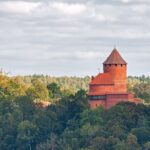
- Stop 1: Bauska Castle — Two Centuries, One Courtyard
- Stop 2: Rundale Palace Museum — A Versailles-Style Palace Without the Same Crowds
- Stop 3: Hill of Crosses — The Stop That Steals the Day
- Comfort, Luggage, and the Small-Group Advantage
- Guide Style: When the Narration Makes the Trip
- Food and Tickets: What You’ll Need to Pay Separately
- Who Should Book This Tour (and Who Might Prefer Something Else)
- Should You Book It?
- FAQ
- What is the duration of the tour from Riga to Vilnius?
- How much does the tour cost?
- Which days does the tour run?
- What are the main stops on the itinerary?
- Are entrance tickets included?
- Is the Hill of Crosses admission free?
- Is food included?
- Where do I meet the tour in Riga?
- Where do I end the tour in Vilnius?
- Is a passport required?
Why This Riga to Vilnius Transfer Works
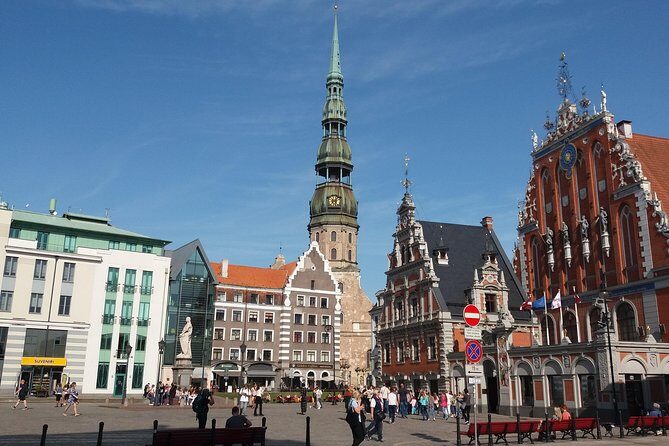
This tour is built for travelers who want the practical win: move between two capitals without losing a whole day to transit. You start at the Latvian Riflemen Monument area in Riga, then work your way through countryside landmarks before landing in central Vilnius.
The guiding style varies by driver, but several names came up strongly: Alex, Andrew, Adam, and Andris. What you can count on is narration tied to the stops, plus a schedule that tries to protect your time at each site rather than leaving you hanging.
Key Highlights to Expect on This Route
- Bauska Castle’s two eras in one complex: Livonian Order ruins plus a restored Duke of Courland residence.
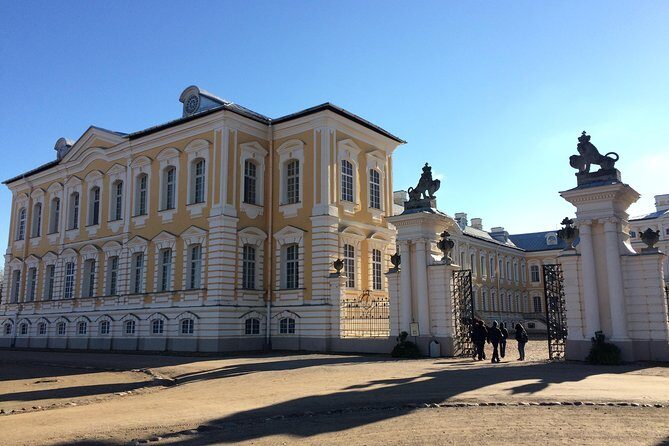
- Rundale Palace with a Rastrelli connection: an 18th-century summer palace often called the Versailles of Latvia.
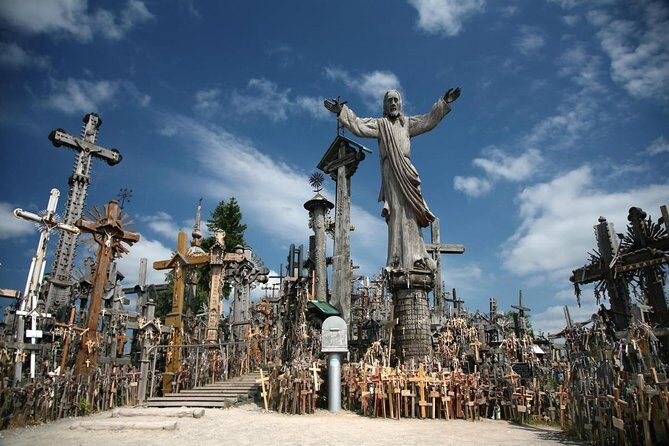
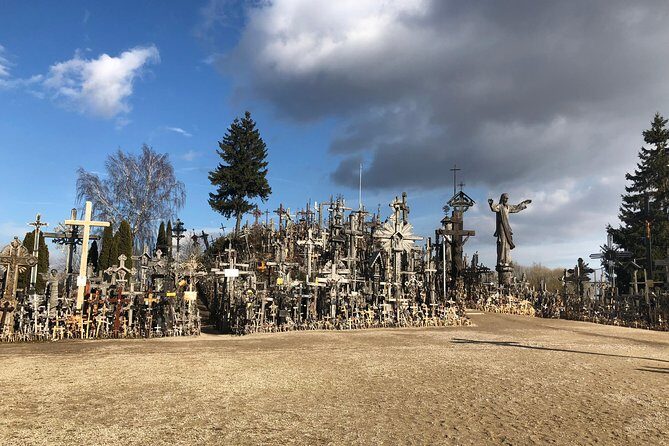
- Hill of Crosses is free and unforgettable: over 200,000 crosses tied to Lithuanian faith and resistance.
- Small-group feel: many departures run as a mini-van or compact group, not a giant bus.
- One-way convenience: no backtracking. You finish in central Vilnius at Cathedral Square.
- Time to plan lunch: you’ll usually have a window for eating near the palace area.
You can also read our reviews of more tours and experiences in Riga.

Riga to Vilnius in a Single Day: The Real Value
For many people, Riga to Vilnius is usually a choice between speed and sightseeing. This tour gives you both. Instead of arriving in Vilnius tired and feeling like you missed the best bits along the way, you get a guided route that turns transit time into history time.
The price—$114.65 per person—can feel like a lot if you compare it to a simple bus ticket. But you’re paying for a few things at once: comfortable transport, luggage space, and a guide experience tied directly to the stops. Entrance tickets and meals aren’t included, so you still need to budget for those on the day, yet the overall deal usually works well when you were going to pay for at least one or two site visits anyway.
The duration is about 8 hours, and it runs on Tuesday, Thursday, and Saturday. The start time is 9:00 am from the Latvian Riflemen Monument (Latviešu strēlnieku laukums 1). The end point is Cathedral Square in Vilnius (Katedros aikštė). That matters, because you finish in a walkable historic core instead of on the outskirts.
Meeting Point and Getting Ready in Riga
You’ll meet at the Latvian Riflemen Monument area, which is in the center of Riga. The tour description also notes it’s near public transportation, so if you’re using trams or buses, you’re not stuck with a long walk.
Bring a current valid passport. This tour explicitly requires one on the day of travel, so don’t plan on using a backup document.
Also, this is a mobile ticket experience. You’ll want your phone charged and ready. The confirmation happens at booking, so you can plan without last-minute scrambling.
One practical tip: this is a “get on, get out, get back in” style day. If you’re prone to rushing in the morning, build in buffer time. It’s not about being late—it’s about not feeling stressed when the group is moving.
The Schedule Rhythm: How Timing Can Feel Fast (and Why It Works)
This is a long day. Expect several transitions: drive time, then a set block of time at each stop, then drive again. The upside is that the itinerary is tight and productive. The downside is that you don’t get a leisurely roam where you wander whenever you want.
Several guides were praised for staying on schedule and keeping the group organized. In at least one case, instructions were strict to ensure arrival before around 18:00, even with city events like a marathon. That’s a good sign for coordination, but it also means you should respect the meeting times at each stop.
If you’re sensitive to strictness, you’ll want to mentally switch your mode to efficient sightseeing. This tour is not for people who want to stretch out the day at their own pace.
Stop 1: Bauska Castle — Two Centuries, One Courtyard
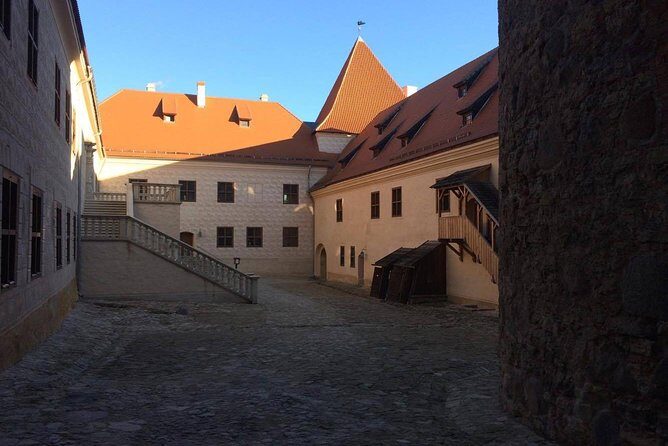
You start with Bauska Castle for about 1 hour. Admission tickets are not included, so plan to pay on arrival if you want to see the museum areas.
What makes Bauska special is that it’s not a single building story. It’s an ensemble with two distinct parts:
- The older section: a Livonian Order castle built in the mid-15th century.
- The later section: a Duke of Courland residence from the late 16th century.
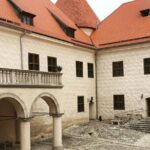
During the Great Northern War, the castle ensemble was blown up by Russian military forces. Today, you can see restored parts tied to the ducal residence, while the Livonian Order seat is mostly ruins. That mix is important. It gives you a clearer sense of how places evolve after conflict instead of presenting history as a clean postcard.
The drawback: with only about an hour, you’ll want to focus on the most important areas and not try to absorb every corner. If you’re the type who loves reading every label, consider choosing a few themes—fortifications on one side, ducal life on the other—and let the rest be quick context.
Stop 2: Rundale Palace Museum — A Versailles-Style Palace Without the Same Crowds
Next comes Rundale Palace Museum, scheduled for 2 hours. This time, too, entrance tickets aren’t included, so plan ahead with cashless payment if that’s possible for you, or check what the site accepts on the day.
Rundale is located just 15 kilometers from the Latvia–Lithuania border, which is one reason the itinerary flows so smoothly. It was built in the 18th century by Ernst Johann von Biron, as a summer residence. The palace design is credited to Italian architect Francesco Bartolomeo Rastrelli, known for other grand European works.
One of the most interesting things about Rundale is how the palace functioned beyond royalty. Over time—and through political changes—it was used as:
- a hospital
- an elementary school
- a grain storage facility
That matters for your visit. You’re not just walking through rooms that stayed decorative for centuries. You’re seeing a building with a long, practical life, later restored into a museum and garden experience.
It’s often called the Versailles of Latvia, and the nickname makes sense if you’re attracted to symmetry, scale, and baroque-style grandeur. The best part for many visitors is that the guided time block gives you a structured visit, and the garden/palace atmosphere is easier to appreciate when you’re not rushing.
If you want lunch: you’ll usually have time, and in at least one case a guide pointed guests toward local food like cepelinai (Lithuanian potato dumplings). Even if you don’t eat there, use this stop to reset: restrooms, a quick meal, and a short walk help for the emotional punch of the next site.
Stop 3: Hill of Crosses — The Stop That Steals the Day
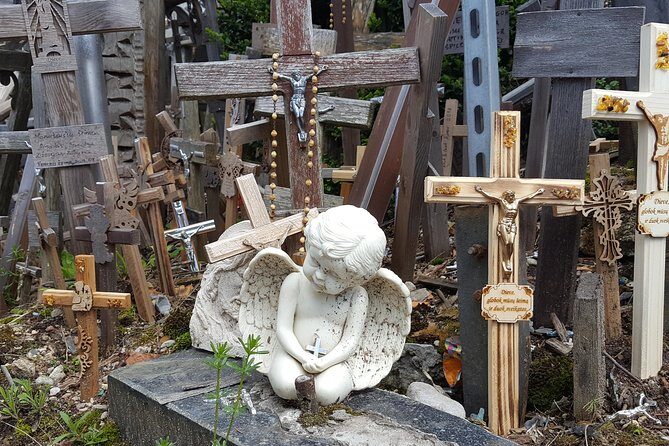
The final stop is the Hill of Crosses (Kryžių kalnas), about 1 hour. Admission is free.
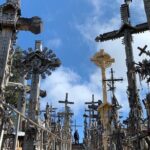
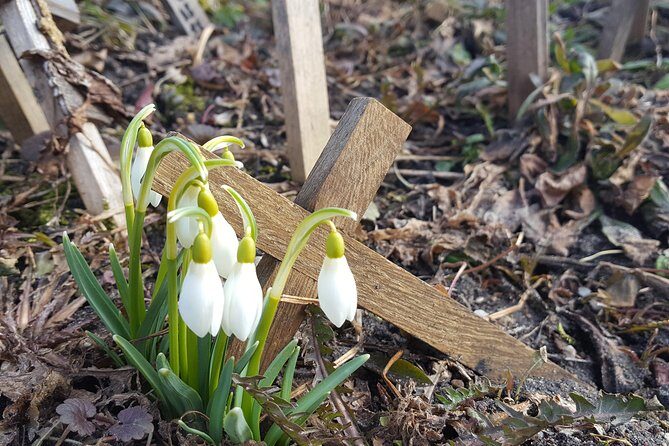
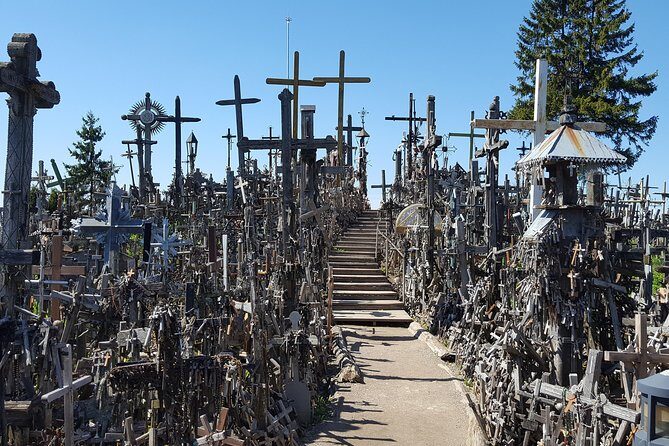
This is the one you should plan around. The Hill of Crosses is located 16 kilometers from Šiauliai, and it’s described as an authentic monument of religious folk art. The key detail: the hill holds over 200,000 crosses. They’re not just decoration. They represent Lithuanian faith and a symbol of resistance against occupation.
What I think makes this place land so hard is the way it turns private belief into public space. You can treat it like a spiritual site, a history stop, or both. In practical terms, it’s also a moment where you don’t have to study a floor plan. You walk. You look. You absorb.
Timing-wise, one hour is enough for your first walk-through and some quiet time, but it can feel short if you get pulled into reading the individual stories or seeing how new crosses differ from older ones. If you’re the thoughtful type, arrive ready to slow down.
Comfort, Luggage, and the Small-Group Advantage
This tour includes comfortable transportation and explicitly offers room for a reasonable amount of luggage. That’s not just a “nice to have.” When you travel between two cities, luggage logistics are the hidden stress.
In practice, many departures run as a small group—some vehicles have held around 4 passengers, and other departures have been mini-coach sized (like about 8). That usually means easier conversations and less waiting around.
You should also know this: a few people flagged issues with air conditioning not matching what they expected. The tour details don’t promise AC, so don’t assume it’s there. If you’re traveling in warm months, it’s smart to ask the provider what the vehicle is like for climate control.
Another comfort detail: several guides were praised for being helpful at curb stops—making it easier to step down from the van. That kind of small effort matters when you’re on and off the vehicle repeatedly.
Guide Style: When the Narration Makes the Trip
The tour includes a guided experience with a guided book or live guide. Since guide assignments can vary, your mileage depends on who’s behind the wheel.
Names that came up positively include Adam, Andris, Alex, and Andrew. Many mentions focus on guides who kept it interesting and managed the schedule well. One guide even provided practical direction about where to eat, and another was described as energetic and positive through a long day.
A more balanced note: a minority of comments described the tone as too aggressive or uncomfortable. If you dislike strict control, or you want a relaxed vibe, this might not be your exact style. Still, even those critiques generally agreed that the actual places visited are worth it—so you can treat the guide as a bonus, not the core reason you’re here.
Food and Tickets: What You’ll Need to Pay Separately
Food and drinks are not included. Plan for lunch, or at least for snacks you can buy at one of the stops.
Entrance tickets are not included for:
- Bauska Castle
- Rundale Palace Museum
Hill of Crosses is free. That helps. It means at least one major stop won’t add another line to your spending plan.
If you like to travel with a small budget, this mix is still manageable: the paid sites are classic “big sights,” while the most symbolic stop is free. Just don’t arrive expecting everything to be covered.
Who Should Book This Tour (and Who Might Prefer Something Else)
Book it if:
- you want an easy one-way transfer from Riga to Vilnius
- you don’t want to plan separate day trips for Bauska and Rundale
- you care about seeing more than just capital-city highlights
- you’re okay with a structured schedule and fixed time blocks
Skip it if:
- you want a slow travel pace with flexible roaming time
- you’re very sensitive to strict timing and group control
- you’re counting on guaranteed vehicle climate comfort in hot weather
This is ideal for first-timers to the route who want the “most important stops” version of the Baltics road trip.
Should You Book It?
I’d book this if your goal is smart use of time. You’re moving cities anyway, so turning that drive into visits at Bauska Castle and Rundale Palace is a strong value play—especially when Hill of Crosses is free and tends to be the emotional highlight of the day.
The main risk is not the itinerary—it’s the day’s pace and how you feel about schedule-following guidance. If you’re flexible, you’ll likely come away impressed by how much you fit in without the hassle of stitching together multiple independent tickets.
If you’re traveling in a hot season, I’d also check about vehicle comfort. Otherwise, this is a dependable way to connect Riga and Vilnius while seeing two major palace/castle sites and one of Lithuania’s most distinctive cultural landmarks.
FAQ
What is the duration of the tour from Riga to Vilnius?
It lasts about 8 hours.
How much does the tour cost?
The price is $114.65 per person.
Which days does the tour run?
It runs on Tuesday, Thursday, and Saturday.
What are the main stops on the itinerary?
Bauska Castle, Rundale Palace Museum, and the Hill of Crosses.
Are entrance tickets included?
No. Admission tickets are not included for Bauska Castle and Rundale Palace Museum.
Is the Hill of Crosses admission free?
Yes, the Hill of Crosses stop is free.
Is food included?
No. Food and drinks are not included.
Where do I meet the tour in Riga?
You meet at the Latvian Riflemen Monument (Latviešu strēlnieku laukums 1) in Riga.
Where do I end the tour in Vilnius?
You end at Cathedral Square (Katedros aikštė) in Vilnius.
Is a passport required?
Yes, a current valid passport is required on the day of travel.