Riga has a food school. Riga Central Market is the classroom, and you get a guided tasting that turns snack time into a quick lesson on how Latvians eat and survive winter. You’ll move through pavilions, try classic flavors like hemp butter and sprats/beer, and get a feel for how the city’s food culture works in real life.
I especially love how this tour forces you to eat things you’d likely skip on your own, from rye bread to salted mushrooms and other long-shelf staples. I also like that the pace is built for eating: five different food areas feed your senses, then you can extend your shopping in the market’s outdoor zone if something really hits.
One thing to consider: if you’re not excited about trying unfamiliar foods (or you’re picky), you might want to adjust expectations. You’ll be eating multiple samples, so bring a calm appetite and plan to keep water nearby.
In This Review
- Key highlights at a glance
- Why Riga Central Market Food Sampling Works in Two Hours
- What I love about the format
- The small caveat
- Vecriga Pavilions: Five Food Stops and the Latvian Flavor Map
- The five pavilion approach (and why it matters)
- Standout flavors you can expect to try
- Bargaining and fresh-market reality
- Outdoor Market Zone: Produce Bargains and What to Keep Your Eyes On
- What you’ll see and likely notice first
- Why this outdoor stop is good value
- Central Gastro Market: Modern Street-Food Style Without Losing the Local Thread
- How this fits into the “food learning” goal
- Spikeri Historic Warehouses: A Quick Culture Win Next to the Food
- Price and Value: What You’re Really Paying For
- Who Should Book This Market Tasting (and Who Might Skip It)
- Should You Book Riga Central Market?
- FAQ
- How long is the Riga Central Market tasting?
- What’s included with the ticket?
- What local foods and drinks will I try?
- Is the tour offered in English?
- Where does the tour start?
- Is it a group tour or private?
- Is it near public transportation?
- Can I cancel for a full refund?
Key highlights at a glance
- Five pavilion sampling that helps you actually learn what Latvian staples taste like
- Local favorites like hemp butter, rye bread, sauerkraut, kvass, and smoked fish/meat options
- Farm-fresh bargaining area for fruits, vegetables, garden plants, flours, and produce you can compare
- A modern break in the action at the Central Gastro Market with street-food style choices
- Spikeri warehouse district nearby, so the food walk connects to Riga’s older industrial past
Why Riga Central Market Food Sampling Works in Two Hours
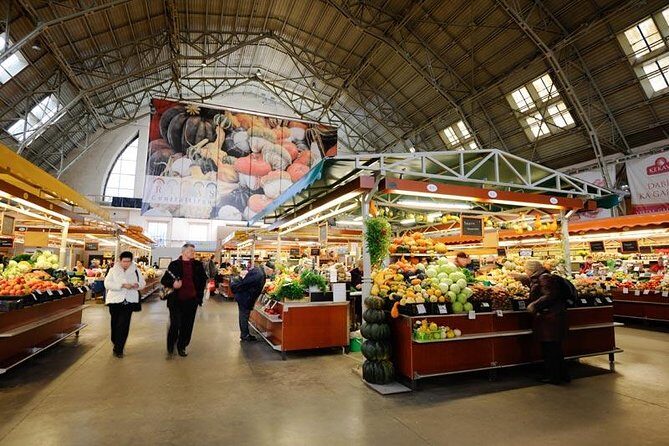
Riga Central Market is not a museum. It’s a working food hub, with merchants, vendors, and everyday shoppers doing their normal thing. That’s exactly why a guided tasting makes sense: you’re not just eating, you’re learning the logic behind what people buy, preserve, and serve.
This experience runs about 2 hours, which is short enough to fit into a busy Riga day, but long enough to take you beyond one corner of the market. You’ll sample from five different food pavilions, then step into the market’s outdoor area and the nearby Spikeri historic warehouse district—all with a guide who ties food choices to the rhythm of Latvian life.
You can also read our reviews of more shopping tours in Riga


What I love about the format
First, the tasting is built around variety. You’re not just getting a single signature bite. You’re sampling across meat, vegetable, dairy, fish, and gastronomy food areas, so you start to recognize flavors and patterns fast.
Second, it’s not only about taste—it’s about context. The guide explains how food traditions connect to long winter months, including how people preserve ingredients and why certain holiday foods show up again and again. That makes the market feel like a living story rather than a food court.
The small caveat
Because it’s an eating tour, you’ll want to show up with room for samples. If your stomach is touchy in new places, keep it simple: start with water, go slow, and don’t fight the guide when something sounds unusual. The whole point is to try and learn.
Vecriga Pavilions: Five Food Stops and the Latvian Flavor Map
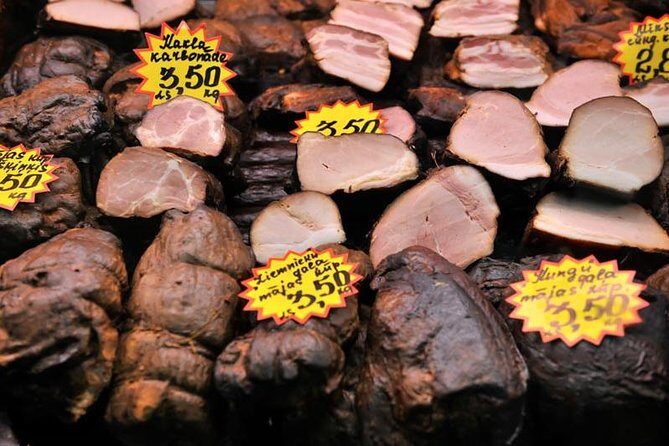
The heart of the tour is the set of five pavilions in the Vecriga area. Each one groups products by category, which is practical. It helps you understand what Latvian cooking leans on: grains and rye, preserved vegetables, dairy staples, cured fish and meats, and seasonal produce.
Your guide moves you from pavilion to pavilion so you can taste a range of textures—savory, sour, salty, and sweet—and then connect those tastes to how people actually live with the Latvian seasons.
The five pavilion approach (and why it matters)
Instead of wandering randomly, you follow a route designed for learning. You get a structured way to compare:
- Meat-focused tastes
- Vegetable and preserved-veg specialties
- Dairy items
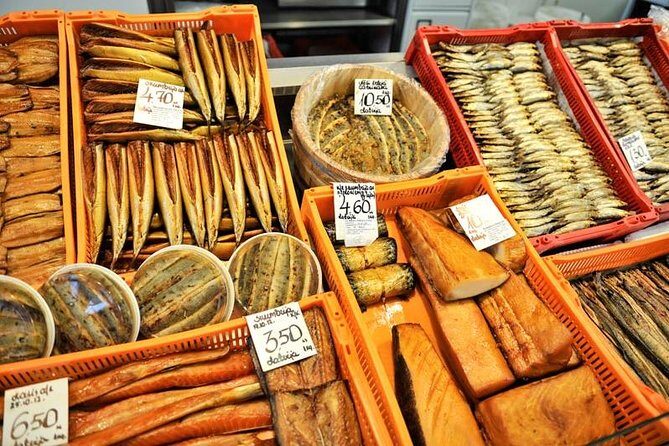
- Fish and cured fish samples
- Mixed gastronomy items (the in-between “this is how we serve it” section)
That structure matters for value. You’re paying for guided sampling that covers more ground than you’d cover alone in the same time.




Standout flavors you can expect to try
The tour highlights several items that make Latvia feel distinct:
- Hemp butter: creamy, earthy, and surprisingly memorable once you taste it next to rye bread
- Rye bread: the everyday backbone that shows up again and again in Latvian food culture
- Fried lampreys: not a snack everywhere; it signals how local seafood traditions survive into modern menus
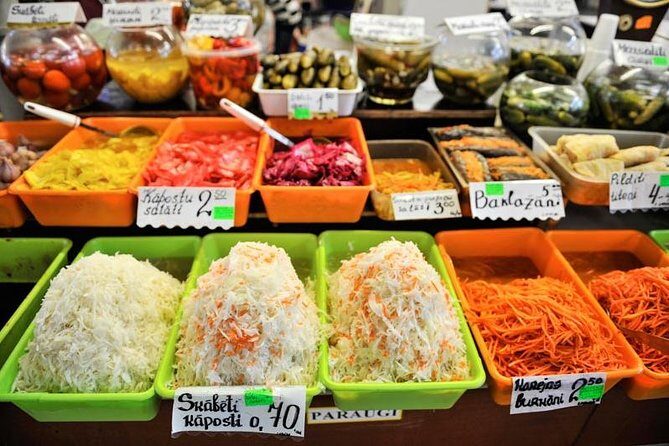
- Sauerkraut: sour, practical, and tied to how people store food through colder months
- Kvass: a traditional fermented drink—tangy enough to cut through heavier bites
- Honey: a simple sweet note that balances the salt and acid around it
- Salted and dried mushrooms: chewy, intense flavors that reflect preservation culture
- Plus other local specialties the merchants offer in the pavilions
If you like eating in layers, this stop is for you. You’ll taste and then immediately understand why someone would keep these foods on hand.
Bargaining and fresh-market reality
The pavilions are described as offering competitive prices with the possibility to bargain. You won’t be forced to shop, but knowing bargaining exists changes how you look at the market. When you see prices and product quality side by side, you start making smarter choices for what to bring home.
You’ll also notice the tour emphasis on foods coming from Latvian farms. That helps you separate “cool souvenir food” from items that taste like something grown and made locally.
Outdoor Market Zone: Produce Bargains and What to Keep Your Eyes On
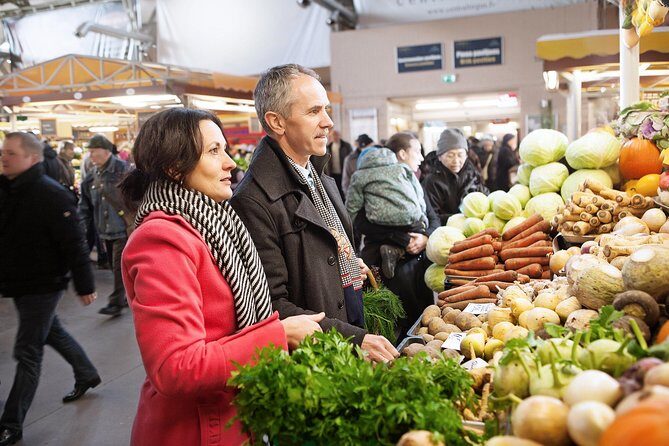
After the pavilions, the tour shifts to the outdoor area. This is where Riga Central Market becomes visually loud: crates of produce, garden plants, flours, and smaller stalls that feel more casual and flexible than the covered sections.
This part is less about tasting a fixed menu and more about helping you know what you’re looking at. You’ll get a sense of what’s fresh, what’s seasonal, and what people stock when they’re planning ahead.
What you’ll see and likely notice first
In the outdoor area, expect:
- Fruits and vegetables from local farms
- Garden plants and related items
- Flours and other pantry staples
- Kiosks selling souvenirs and clothing-like items
The market also has amber-related jewelry and knitwear, plus perfume and general gift goods. That mix is typical of Central Market: practical food shopping sits next to small-ticket things people buy while they’re there.
Why this outdoor stop is good value
Even if you don’t buy much, you’ll walk away with useful instincts. You’ll learn what’s worth looking at—especially for produce and pantry items—so your next shopping trip in Riga feels less random.
And if you do want to shop, you’ll have a clearer sense of pricing logic because you already saw the pavilion variety and tasting context earlier.
Central Gastro Market: Modern Street-Food Style Without Losing the Local Thread
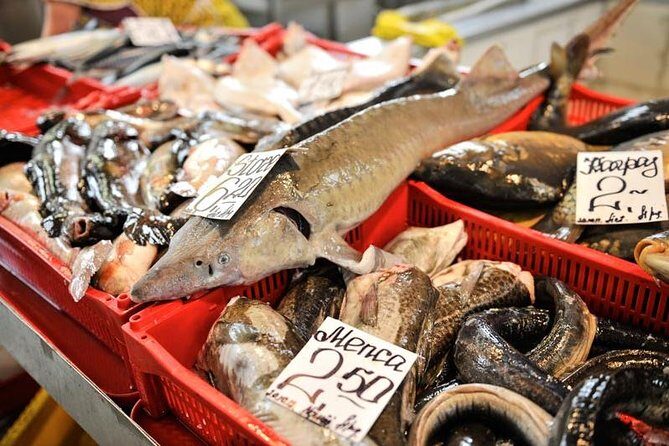
The tour also includes time in the Central Gastro Market section. This is the newer, more modern-feeling part of the market, with a different vibe than the traditional stalls. Think of it like a street-food floor: many vendors under one roof, multiple choices at once.
The setup includes over 20 caterers and 2 bars, which means you can find something even if your taste buds want variety beyond classic Latvian flavors. Some options follow Latvian dishes, while others go global—burgers, pizza, ramen, Thai food, and more.
How this fits into the “food learning” goal
This stop is not just for convenience. It’s useful because it shows what happens when local food traditions sit next to international habits. You get to experience the market as both tradition and everyday modern dining.
If you finish your tasting and still want to keep eating, this is the part where you can choose your next bite based on what you’re in the mood for. And if you’re traveling with someone who’s less adventurous, this section gives them more familiar options without leaving the market environment.
Spikeri Historic Warehouses: A Quick Culture Win Next to the Food
Right near the market, you’ll find Spikeri, a historic warehouse district. Only 13 of these warehouses survive to the present day, which makes the area feel like a time-slice of Riga’s storage-and-trade past.
This stop matters because it helps you connect the food tour to a broader story: why markets and warehouses mattered so much. If you’re hearing about preserving food for long winter months, then walking near warehouses makes that idea feel real in space, not just in theory.
You don’t need a long lecture to get the point. You just need a short, well-placed walk that shows how everyday life connects to buildings that held goods.
Price and Value: What You’re Really Paying For
At $77.89 per person for about 2 hours, the price isn’t just for “entry to a market.” You’re paying for guided sampling, category coverage, and the kind of explanation that turns food into understanding.
Here’s the value angle that matters:
- You get samples from five food pavilions, so you’re not guessing what to order
- You try a set of signature local items—hemp butter, kvass, sauerkraut, salted/dried mushrooms, and more
- You gain cultural context tied to seasonal living and holiday traditions
- You end with a walk that adds a historical layer through the nearby Spikeri warehouses
In other words, you’re paying to avoid the most common market mistake: spending an hour wandering and leaving with snacks that don’t really teach you anything.
This tour is also often booked ahead—about 31 days in advance on average—so if you want a specific day, plan early rather than assuming you can walk in.
Who Should Book This Market Tasting (and Who Might Skip It)
This experience fits best if you want food travel that actually teaches you something. If you like learning through taste—how preservation shows up on plates, how staples support winter life, and how holiday foods connect to everyday ingredients—then you’ll get a lot from it.
You’ll also like it if:
- You want a guided path through a large market
- You like comparing flavors across fish, dairy, vegetables, and meats
- You enjoy local drinks and small bites more than heavy meals
You might want to rethink it if:
- You dislike trying unfamiliar foods
- You prefer full sit-down meals over tasting sessions
- You want total freedom to roam without any structure
The good news: the market tour still keeps you close to real shopping areas afterward, so you can pivot into independent exploration at your own pace.
Should You Book Riga Central Market?
I’d book it if your goal is to understand Riga through what’s on people’s plates. This tour is one of the smarter ways to experience a working market because it gives you a tasting route, practical explanations, and local specialties you’re not likely to pick confidently on your own.
Book it if you can eat a handful of samples without stress and you’re curious about Latvian staples like rye bread, hemp butter, sauerkraut, kvass, and preserved foods. Skip it only if you’re strictly a picky-eater or only want global food options.
If you want, I can also suggest a simple “what to do next” plan for your remaining time in Riga—based on whether you want more markets, museums, or a riverside walk.
FAQ
How long is the Riga Central Market tasting?
It lasts about 2 hours.
What’s included with the ticket?
You get admission and included samples from five different food pavilions.
What local foods and drinks will I try?
The tour highlights items such as hemp butter, rye bread, fried lampreys, sauerkraut, kvass, honey, and salted/dried mushrooms. You’ll also taste other local specialties offered in the pavilions.
Is the tour offered in English?
Yes, it’s offered in English.
Where does the tour start?
The meeting point is Riga Central Market (Rīgas Centrāltirgus).
Is it a group tour or private?
It’s a private tour/activity. Only your group will participate.
Is it near public transportation?
Yes, it’s near public transportation.
Can I cancel for a full refund?
You can cancel for a full refund up to 24 hours in advance.